
Read More
2026-08-02 5 mins read
1PL, 2PL, 3PL, 4PL, 5PL: The Logistics Tiers Explained and Where the Importer of Record Fits
Read More

Trade Compliance
Global trade does not operate on speed alone — it operates on permission.
Every shipment that crosses a border is subject to a network of customs laws, valuation rules, export controls, licensing requirements, and sanctions regulations. These obligations exist whether a company is aware of them or not. When they are managed correctly, goods flow with predictability. When they are overlooked, the result is delays, penalties, audits, or even shipment seizures.
Trade compliance is the discipline that ensures those obligations are met before a shipment reaches the border. It governs how products are classified under the Harmonized System, how duties and taxes are calculated, whether licenses are required, and whether trading partners are legally eligible to transact. It also creates the documentation trail that customs authorities rely on during reviews and post-clearance audits.
In practice, trade compliance is not theoretical. It is operational control. It protects revenue, preserves market access, and allows companies to expand internationally without exposing themselves to avoidable regulatory risk. As enforcement tightens across major economies, compliance has become a core business function — not an administrative task.
From operational experience, most compliance failures don’t start with bad intentions — they start with assumptions.
Trade compliance matters because it:
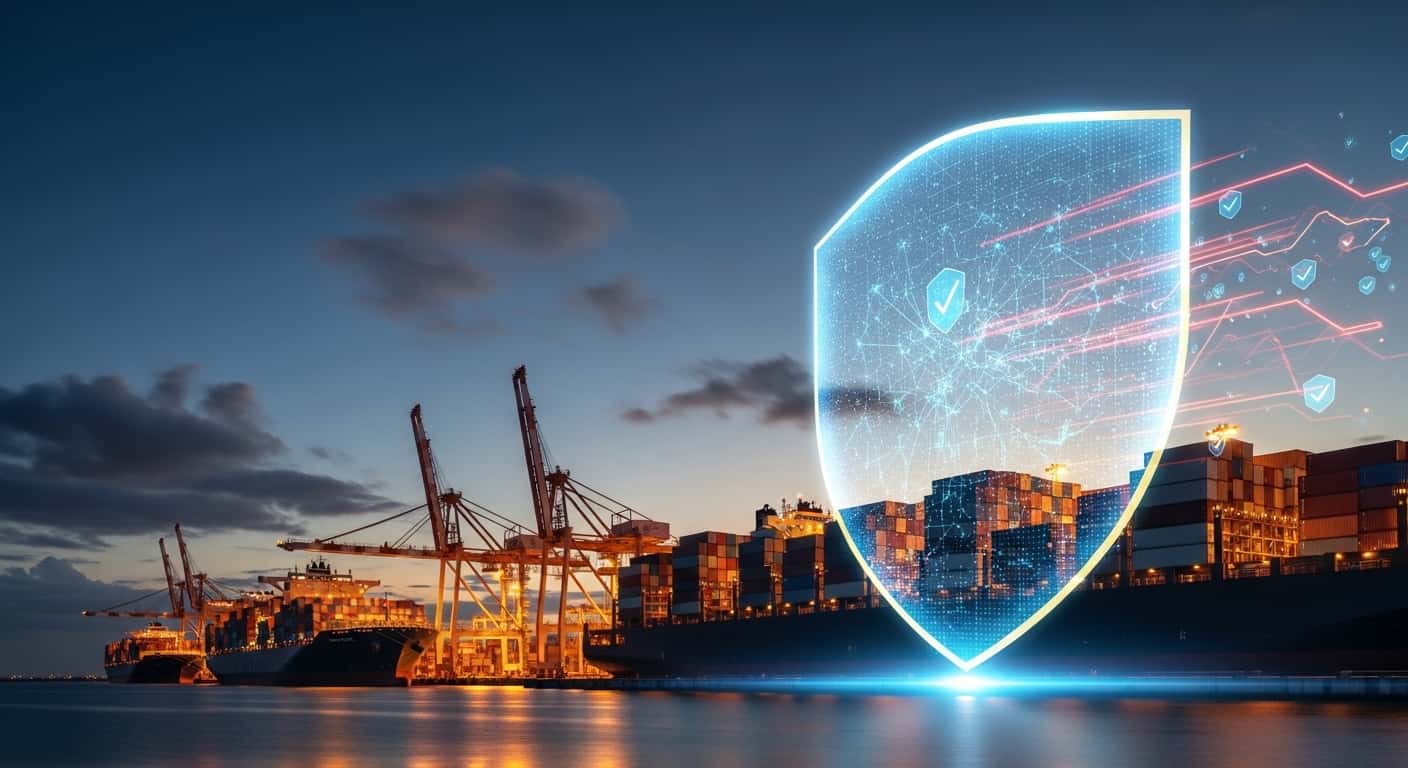
Safeguards operations from regulatory penalties and shipment seizures
Builds credibility with customs authorities and commercial partners
Ensures accurate duty and tax payments
Enables access to Free Trade Agreement (FTA) benefits
Supports ethical and sustainable supply chains (including forced-labor and ESG regulations)
Data Point:
The Harmonized System (HS) used for tariff classification is maintained by the World Customs Organization and underpins the vast majority of global trade transactions.
Compliance is not just about avoiding penalties — it’s about enabling predictable trade.
Trade compliance is not one single task. It is a structured system made up of interdependent components.
Component | Purpose | Common Errors to Avoid |
|---|---|---|
Tariff Classification | Assign correct HS codes for duties and controls | Misclassification leading to under/overpayment of duties |
Rules of Origin | Determine eligibility for FTA benefits |
While they operate under the same compliance framework, import and export controls are governed by different risk drivers, enforcement priorities, and regulatory authorities.
Aspect | Import Compliance | Export Compliance |
|---|---|---|
Focus | Tariff, valuation, duty payment obligations | End-user, destination, dual-use controls |
Primary Authority | Customs Agency |
“Non-compliance is not just a fine — it’s a business risk.”
In many jurisdictions, repeated violations can trigger enhanced inspections on every future shipment — slowing operations permanently.
From a practical operational perspective, these are the most common compliance challenges organizations face:
Constantly evolving regulations and frequent FTA updates
High documentation volumes leading to manual errors
Lack of in-country representation in new markets
Limited supply-chain visibility
Inconsistent screening of restricted parties
A trade compliance program must function inside daily shipment workflows — not exist as a policy document. From a technical and operational standpoint, the structure should include customs automation tools and systems that integrate compliance checks directly into the movement of every shipment:
Maintain a controlled classification database reviewed by qualified personnel. Implement a documented review process for new SKUs and product modifications to prevent misclassification.
The cost of mismanaged regulatory approvals is measured in shipment seizures and lost revenue - as illustrated in our medical tech compliance case study, where TGA and PMDA approval bottlenecks were resolved through structured IOR representation.
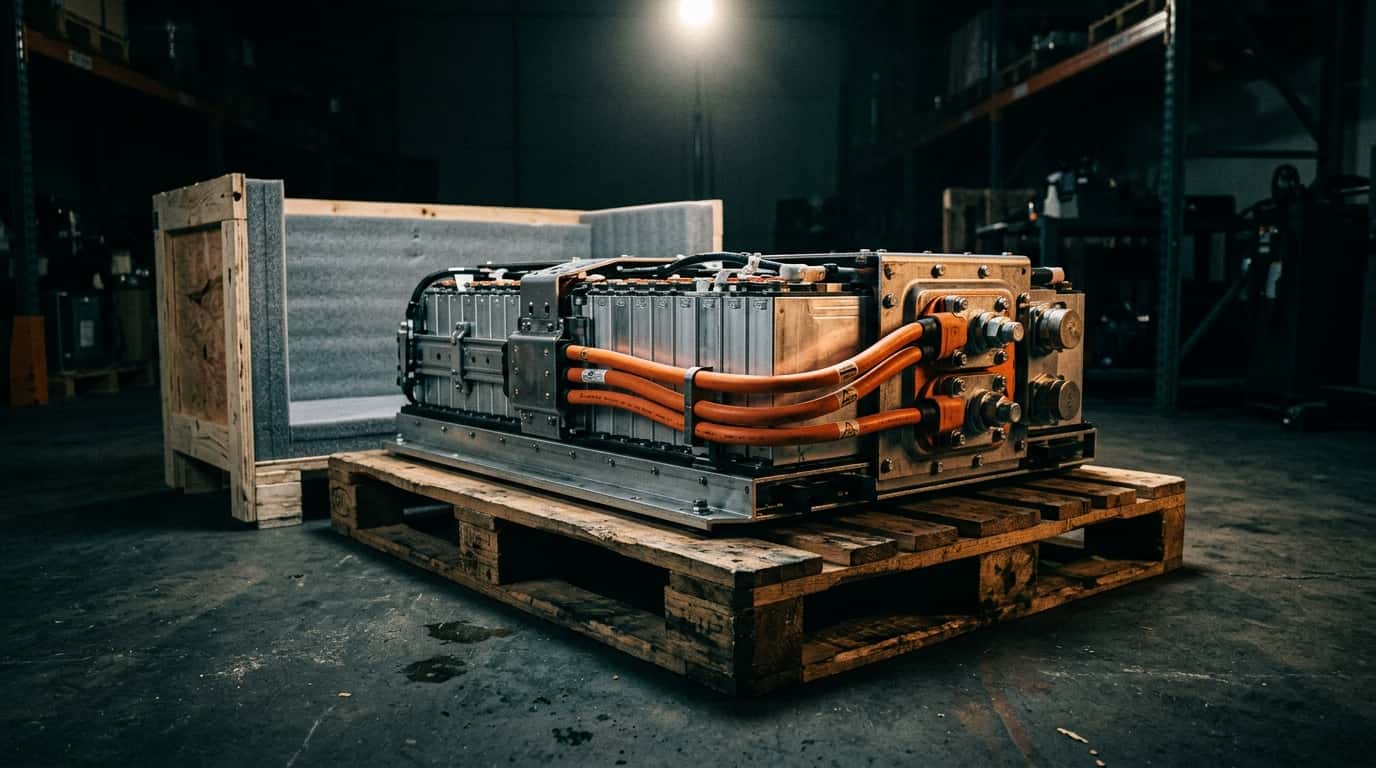
The same principle applies to EV component returns compliance, where a returned battery module re-triggers dangerous goods classification and, in some markets, export licensing that the original import license did not cover.
Regulatory breaches are not hypothetical risks; they translate directly into quantifiable penalties and disruption.
Consequence | Impact on Business |
|---|---|
Fines & Penalties |
|
Shipment Seizures |
Trade compliance operates within international frameworks shaped by:
World Customs Organization — Maintains the Harmonized System
World Trade Organization — Governs valuation and trade agreements
International Chamber of Commerce — Publishes Incoterms® and compliance standards
Office of Foreign Assets Control — Administers U.S. sanctions programs
Trade compliance is not a one-time checklist. It is an ongoing operational discipline.
For companies expanding into complex markets — especially in tech, telecom, and medical sectors — working with a qualified legal import representation or legal export entity ensures: Understanding what an exporter of record does is essential for any business managing outbound shipments from countries where they lack a registered legal entity — the EOR assumes full export compliance responsibility so the shipper does not have to. For markets with particularly demanding compliance frameworks, such as South Africa import regulations — covering SABS, ICASA, SAHPRA, and SARS obligations simultaneously — a structured IOR/EOR partner is not optional; it is operationally essential.

Proper licensing
Accurate classification and valuation
Sanctions screening
Local regulatory representation
Trade compliance is not just about clearing goods — it is about protecting your business model.
Organizations that treat compliance as a strategic function move faster, face fewer disruptions, and build long-term credibility in global markets. Those who delay building proper controls eventually pay for it in delays, penalties, or restricted market access.
International growth demands regulatory certainty.

Incorrect origin claims → FTA denial
Valuation of Goods | Ensure accurate duty & tax calculation | Undervaluation (penalties) or overvaluation (excess cost) |
Licensing & Permits | Secure required approvals | Missing dual-use or sector-specific licenses |
| Verify trading partners and end-users | Engaging restricted entities under sanctions |
| Maintain audit trail (often 5+ years) | Incomplete or inconsistent documentation |
Trade Ministry / Defense Authority |
Typical Documents | Certificate of Origin, Invoice, Packing List | Export License, SDoC, ECCN |
Primary Risk | Underpaid duties or restricted goods | Sanctions violations or export bans |
Sudden geopolitical disruptions that force rapid regional trade shifts and supply chain rerouting — requiring immediate reassessment of IOR/EOR coverage across rerouted corridors, particularly in markets with layered regulatory requirements UAE where TRA approvals, VAT obligations, and free zone compliance must all remain intact when shipping routes change.
Define how transaction value is calculated, including assists, royalties, freight allocation, and related-party pricing adjustments. Ensure alignment with customs valuation agreements.
Establish origin calculation rules for manufactured goods and maintain supplier declarations to support FTA claims. Implement verification controls before claiming preferential duty treatment.
Screen customers, suppliers, intermediaries, and end-users against applicable sanctions lists prior to order confirmation and shipment release.
Implement a documented review system to determine whether goods require export licensing based on destination, end-use, and end-user.
Maintain expiration monitoring, quantity thresholds, and reporting obligations for active licenses.
Introduce a release control step confirming classification, valuation, origin, licensing, and screening clearance before goods are dispatched.
Maintain organized digital records of commercial invoices, packing lists, licenses, screening logs, and customs declarations in accordance with jurisdictional retention requirements (often 5+ years).
Conduct periodic audits to identify classification errors, duty discrepancies, or procedural gaps — and implement corrective actions.
|
License Revocation | Suspension of import/export rights |
Reputational Damage | Loss of contracts and market access |
In practice, the strongest compliance frameworks combine internal governance with external expertise.