Read More
2026-08-02 5 mins read
1PL, 2PL, 3PL, 4PL, 5PL: The Logistics Tiers Explained and Where the Importer of Record Fits
Read More

Trade Compliance
A vessel arrives on schedule. The cargo is discharged. Everything appears routine — until a few days later, unexpected charges begin accumulating at $200 per container, per day.
I’ve seen shipments worth millions cleared within hours — and others delayed simply because one document arrived late or a truck was not secured in time. In both cases, the rule at the terminal remains the same: once free time expires, demurrage begins.
In practical shipping operations, demurrage is the charge applied when a loaded container remains inside the port beyond its allowed free days. Terminals are not storage facilities — they are transit hubs designed to keep cargo moving. When containers sit idle, yard congestion increases, vessel turnaround slows, and overall supply chain efficiency declines.
Understanding demurrage is not theoretical. In day-to-day operations, it directly impacts cost control, cash flow, and delivery reliability — and it is one of the most preventable cost exposures in global trade when supported by IOR for smooth clearance that pre-clears goods and ensures documentation is in order before free time begins counting.
From an operational standpoint, the mechanism is straightforward:
Vessel arrives, and containers are discharged.
The carrier or terminal grants a defined number of free days (typically 3–7 days, depending on port and contract).
If the container is not collected before the last free day, daily demurrage charges begin.
Charges continue per container, per day, until the cargo exits the terminal.
Scenario | Free Days | Rate/Day | Total Cost |
|---|---|---|---|
10 containers delayed 5 days | 5 | $150 | $7,500 |
In high-volume shipments, demurrage escalates quickly. A short administrative delay can become a five-figure exposure within days.
Operational Tip: Free time varies by carrier, terminal, and trade lane. Always confirm in writing before shipment departure.
These terms are frequently confused — even by experienced traders.
Term | Where Applied | When Charged | Who Pays |
|---|---|---|---|
Demurrage | Inside terminal | After arrival, if not picked up in time | Importer / Exporter |
Detention |
In simple terms:
Demurrage = full container sitting in port.
Detention = empty container held outside the port.
Both are avoidable — but require coordination between customs, transport, and documentation teams.
Demurrage is almost never caused by one isolated issue; it is usually the outcome of small delays compounding across multiple operational touchpoints.
Cause | Why It Happens |
|---|---|
Customs delays | Incorrect or incomplete documentation holds cargo, resulting in a shipment held at port that accumulates demurrage charges until the documentation issue is resolved and customs releases the container. |
Port congestion | Yard capacity exceeded; discharge backlogs occur. |
Strikes or weather |
⚠️ Documentation errors are still the most common cause — especially mismatches between the bill of lading accuracy standards and what is declared in the customs entry, which triggers inspection holds and delays cargo release past free time.
Demurrage is calculated on a per-container, per-day basis after free time expires.
Key variables include:
Port and terminal tariff structure
Carrier policy
Container type (standard, reefer, special equipment)
FCL vs LCL shipment
Industry averages range between $75 and $300 per container per day, depending on trade lane and port.
The longer the container remains, the higher the tiered daily rate typically becomes. Many carriers apply escalating brackets (Days 1–5, 6–10, etc.), which significantly increase exposure.
In most scenarios, demurrage is the responsibility of the cargo owner — importer or exporter.
However, liability can shift depending on:
☑ Confirm Incoterm before shipment
☑ Track vessel ETA and discharge time
☑ Obtain written confirmation of free days
☑ Pre-arrange customs clearance and transport
Incoterms (e.g., DDP vs FOB)
Contractual agreements
Freight forwarder arrangements
Charter party terms (in bulk shipping)
Under Delivered Duty Paid (DDP) structures, responsibility may shift to the appointed Importer of Record provider — provided DDP compliance obligations, including pre-paid duties, customs pre-clearance, and bonded transport, have been structured correctly before vessel arrival.
Preventing demurrage is not luck — it is the result of disciplined operational planning and proactive coordination. The most effective actions include:
Action | Why It Helps |
|---|---|
Pre-clear customs | Reduces inspection-related holds. |
Validate documents early | Prevents clearance mismatches. |
Schedule trucking in advance |
A global technology firm regularly shipped networking hardware into the Middle East. Despite reliable freight partners, they faced recurring demurrage due to documentation delays and customs processing gaps.
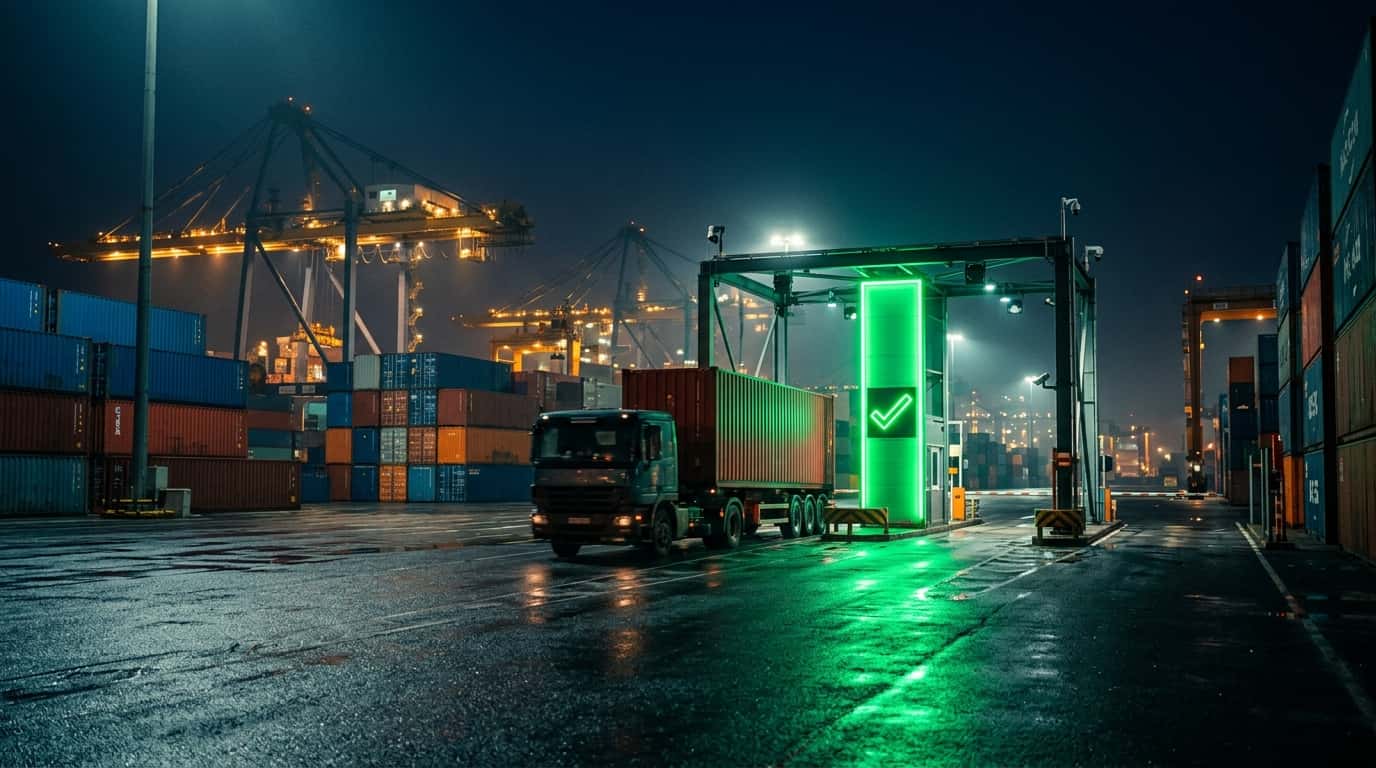
Under a structured DDP model, customs pre-clearance was initiated before vessel arrival. Duties and taxes were prepaid, and bonded trucking was pre-booked.
Result:
Cargo released within 48 hours of discharge
Approximately $12,000 saved annually in demurrage
25% improvement in delivery SLA performance
Demurrage is not just a shipping charge — it is a signal of operational gaps.
If your business is facing recurring port delays, escalating container charges, or unclear responsibility under your Incoterms, it’s time to implement a structured compliance and clearance strategy.
Our Global Trade Compliance Team reduces demurrage exposure and optimizes your international shipments.
Free time typically ranges between 3 and 7 calendar days, depending on the port, carrier policy, cargo type, and contract terms.
Some trade lanes may offer longer periods for strategic customers or special cargo. However, once the last free day expires, charges begin automatically — often without grace periods.
Free time can sometimes be negotiated in advance, particularly for high-volume shippers or long-term contracts.
Once charges have accrued, negotiation becomes more limited and typically depends on documented proof of force majeure, port congestion notices, or carrier discretion.
If demurrage remains unpaid, the carrier or terminal may withhold cargo release, refuse delivery orders, or block future bookings.
Extended non-payment can lead to additional storage costs, legal recovery action, or even cargo auction in extreme cases, depending on local regulations.


Outside terminal
When an empty container is not returned on time |
Importer / Exporter |
Operational shutdowns disrupt timelines. |
Late document receipt | Invoice, COO, or Bill of Lading not available. |
Trucking shortages | No transporter secured before free time expires. |
Internal miscommunication | Consignee unaware of arrival or clearance deadline. |
Contract terms in the Bill of Lading or charter agreement
Ensures pickup within free time.
Monitor container status daily | Avoids last-minute surprises. |
Negotiate extended free time | Valuable for complex shipments. |
Partner with IOR/EOR | Ensures legal accountability and structured compliance oversight, covering what trade compliance requires at every destination market so customs pre-clearance, documentation accuracy, and duty payment are handled before free time expires. |