
Read More
2026-08-02 5 mins read
1PL, 2PL, 3PL, 4PL, 5PL: The Logistics Tiers Explained and Where the Importer of Record Fits
Read More

Trade Compliance
Custom Clearance
When a shipment stops at customs, it disrupts more than timelines — it disrupts trust, cash flow, and the entire supply chain. Customs clearance is designed to verify accuracy, safety, and regulatory compliance, but even small inconsistencies can trigger a hold. A missing document, an incorrect HS code, a duty discrepancy — any detail can pause a shipment instantly.
This guide explains why delays occur, what to do the moment you notice one, and how to build a compliance framework that prevents them altogether.
Customs authorities stop shipments when something doesn’t align with local regulations. Some causes are predictable; others are part of routine risk-based checks. Understanding these categories helps you resolve issues faster — and having legal import representation in the destination country ensures someone with local compliance authority is ready to act on your behalf.
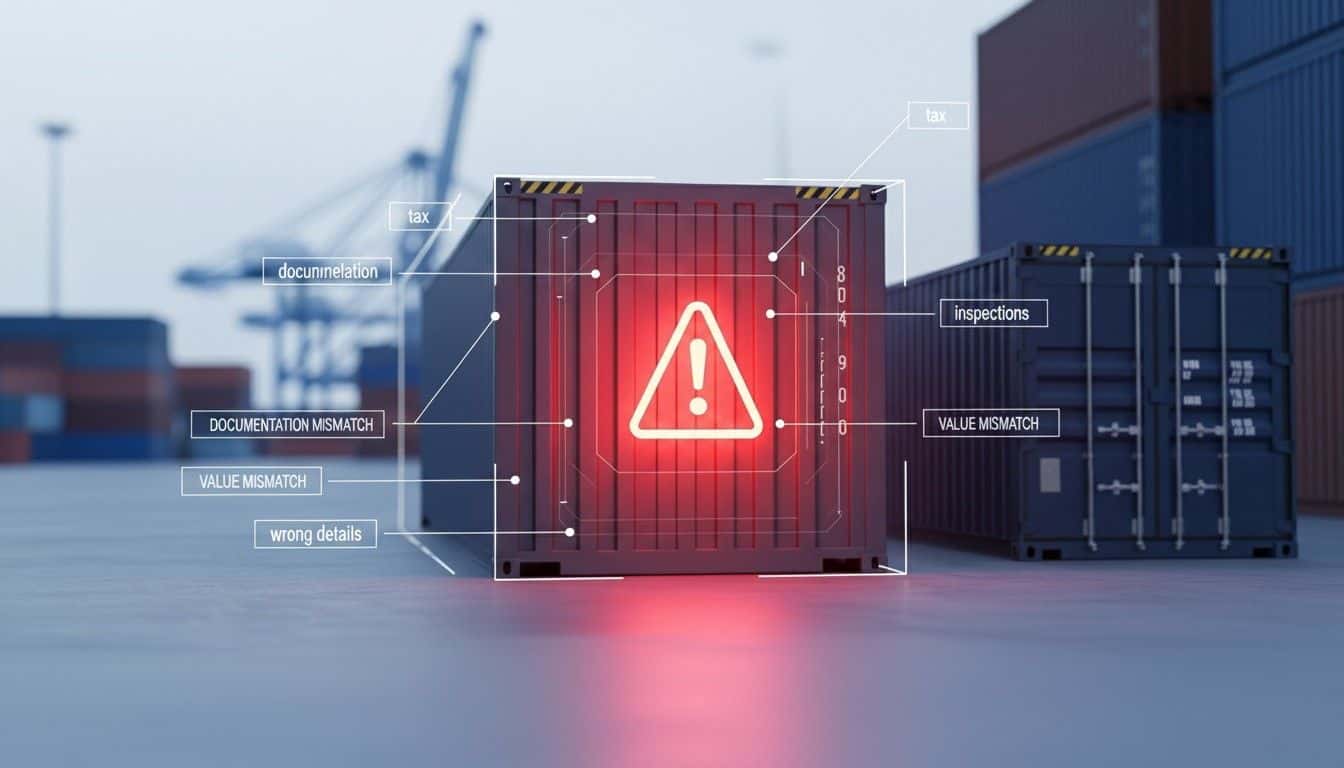
Main Reasons for Customs Holds:
Missing or incorrect documentation
The most common reason globally, contributing to over 80% of delays, most of which stem from failure to meet trade compliance requirements at the point of export or import (DHL industry insight).
Unpaid or under-declared duties/taxes
Mismatched values immediately trigger manual review.
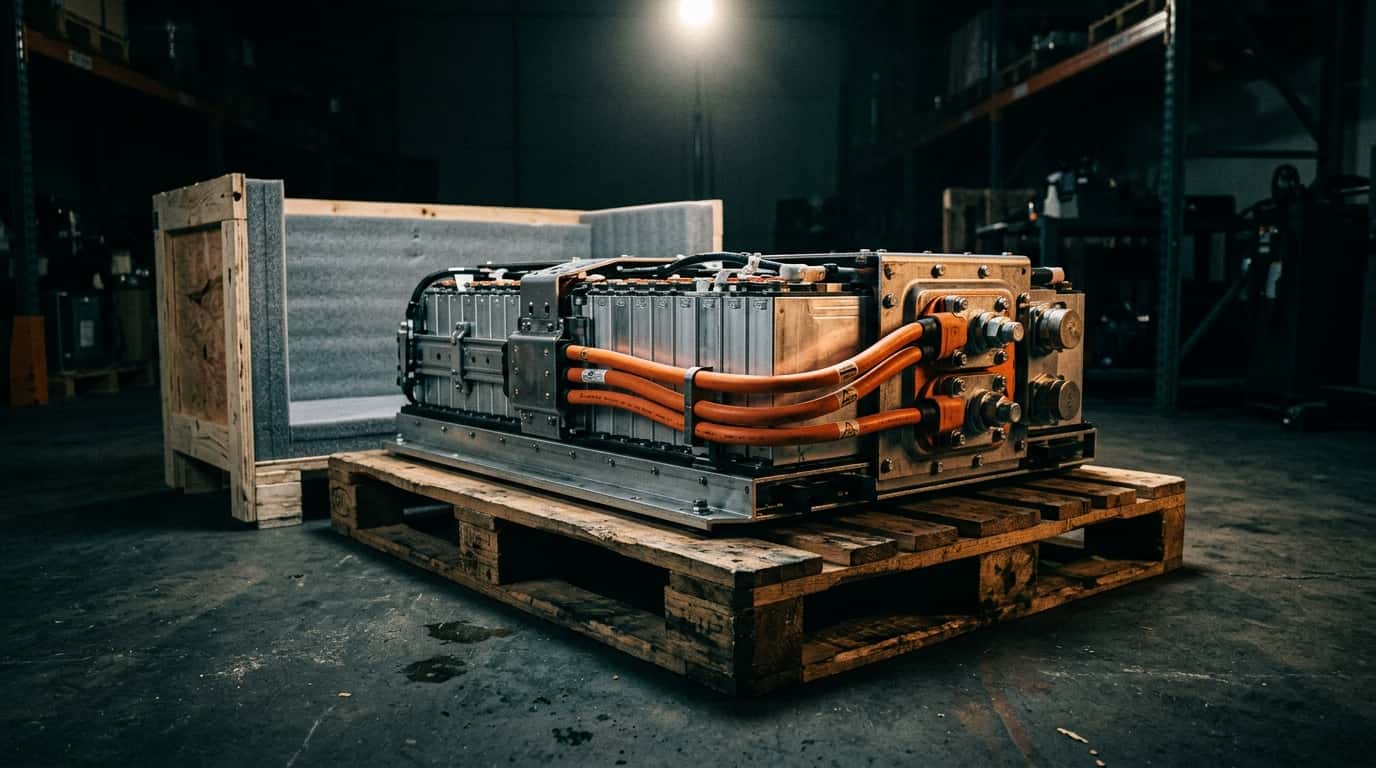
Restricted or controlled items
Electronics, medical devices, radios, lithium batteries, and encrypted technologies often require permits. Return shipments in these categories carry additional risk, as covered in our guide on EV warranty returns held at customs, where the return leg re-triggers dangerous goods classification even when the original inbound cleared cleanly.
Shipments held at customs often trace back to unclear responsibility among parties. A 3PL vs. 4PL comparison helps identify where the compliance gap lies in your logistics arrangement.
Cause | Severity |
|
|---|---|---|
Missing invoice / COO | High | Send documents electronically |
Incorrect HS code | Medium | Submit corrected classification |
Sometimes a shipment is simply awaiting routine clearance, not formally held. Before escalating the issue, verify its status.
Checklist to Confirm a Customs Hold:
- Review tracking status for terms like “Customs Hold,” “Clearance Delay,” and “Pending Additional Information.”
- Contact your carrier / 3PL for the exact reason.
- Compare your Air Waybill (AWB) data with the commercial invoice and packing list.
- Contact customs or your broker to confirm if documentation or payment is pending.
A structured response can reduce delays from days to hours. Follow this step-by-step sequence:
Ask for the exact reason for the hold. Get the event code, time-stamp, and the customs request.
Recheck:
Commercial invoice
Packing list
HS code classification
Certificate of Origin (COO)
Import licenses (if required)
Tip
Shipping under DDP (Delivered Duty Paid) ensures duties, taxes, and clearance obligations are completed before arrival — preventing duty-related delays.
Returns held at customs almost always trace back to a single break in the step-by-step RMA workflow - most often, paperwork prepared after the shipment leaves rather than aligned with the approval at the start.
Strong pre-shipment preparation eliminates most delays. Split your focus into two phases:
Pre-Shipment vs Post-Shipment Checklist
Pre-Shipment | During / Post-Shipment |
|---|---|
Verify HS codes and country-specific tariff codes rules | Monitor tracking daily |
Prepare the commercial invoice & COO accurately |
If your shipments repeatedly encounter delays or you move sensitive, high-value, or regulated goods, a professional IOR/EOR partner becomes essential.
They manage import licensing, HS classification, duty planning, documentation, and direct communication with customs — preventing costly errors and demurrage charges. In high-complexity markets such as UAE customs compliance — where TRA approvals, VAT obligations, and free zone re-export rules must all align simultaneously — this expertise is the difference between clearance in hours and a two-week hold.
For official guidance, consult these verified compliance sources:
Typically, 1–30 days depending on documents, inspections, and duty issues. Controlled goods may take longer.
It depends on the incoterm. Under DDP, the shipper is fully responsible; under DAP/DDU, the receiver typically handles clearance.
Yes, but many customs authorities prefer communication through a carrier or broker to avoid incomplete requests.
No. Only shipments selected for inspection based on risk profiling, random checks, or red flags.
The shipment will not be released and may be returned, auctioned, or destroyed, depending on the country.


Random inspections
High-risk goods or high-volume lanes may be flagged for quality, safety, or security checks.
Wrong consignee details
Address, ID, or tax number mismatches delay release.
Unpaid duties or VAT/GST | Medium | Pay via broker or DDP |
Controlled or restricted item | High | Provide a permit or remove the item |
Consignee mismatch | Low | Update the carrier with the correct info |
If the shipment arrived DDU / DAP, unpaid duties are your responsibility. Pay immediately through your broker or via the customs portal.
Upload or email the required documents as soon as requested. Most customs authorities accept scanned copies.
For controlled goods or multi-country shipments, a broker accelerates review and handles regulatory communication.
Stay in close contact with your carrier until you receive the official customs release notification.
Respond to customs requests promptly
Prepay duties using DDP structure | Maintain a 5-year documentation archive |
Label and classify packages clearly | Work with a trusted IOR/EOR compliance partner |