
Read More
2026-08-02 5 mins read
1PL, 2PL, 3PL, 4PL, 5PL: The Logistics Tiers Explained and Where the Importer of Record Fits
Read More

Trade Compliance
Do you think returns fail because of big problems, or because of small, missing details?
In real operations, it’s almost always the small detail. And one of the most critical is the RMA number.
An RMA (Return Merchandise Authorization) number is a unique identifier issued by a seller or manufacturer to formally approve and track a return, repair, or warranty claim. It’s not just a reference code; it’s the operational link between a physical shipment and the internal system that controls inspection, allocation, credit issuance, and replacement workflows.
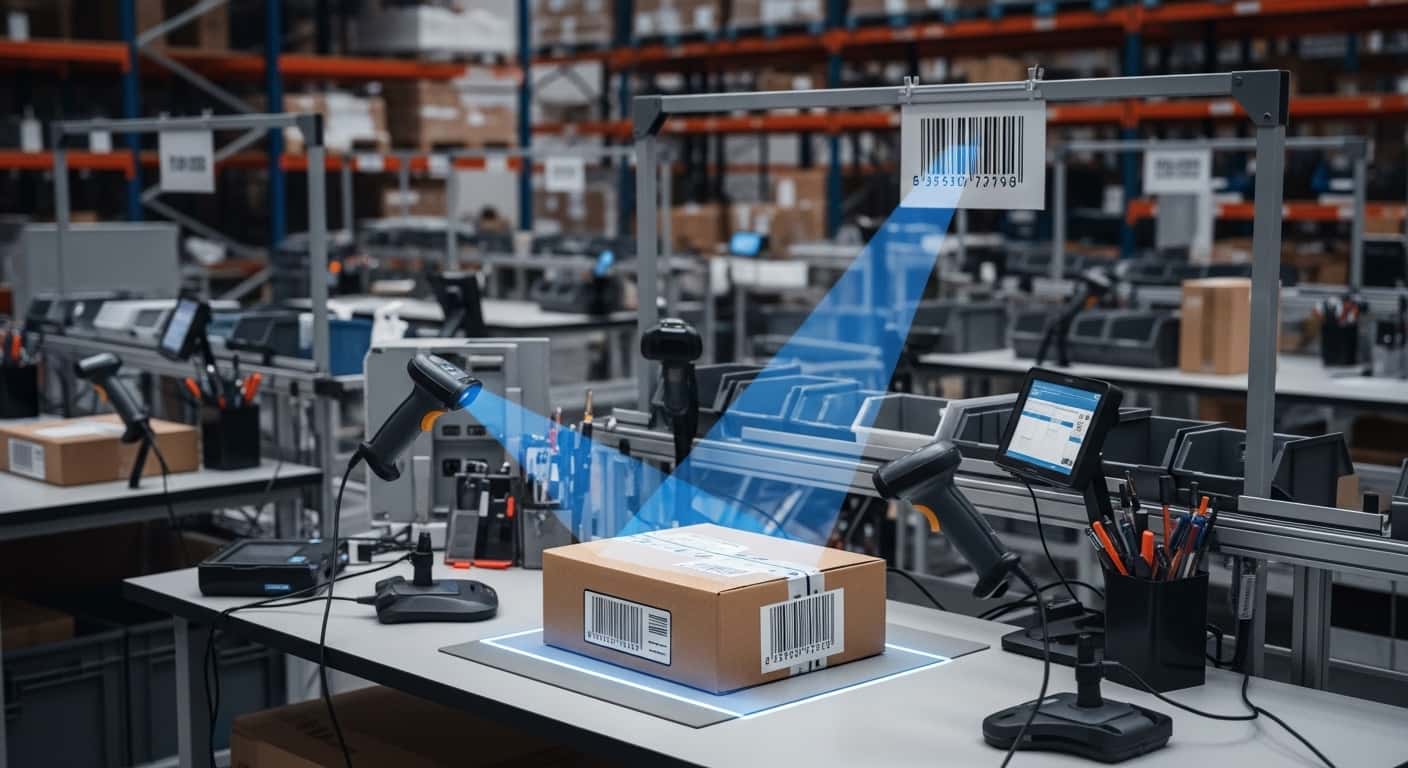
From a warehouse perspective, the RMA number tells the receiving team exactly what the item is, why it’s coming back, and what should happen next. Without it, inbound goods may sit in quarantine, get misrouted, or require manual investigation, all of which slow down processing and increase administrative workload.
In B2B tech, IT hardware, and telecom environments where volumes are high and products are serialized, shipping without an approved RMA is the fastest way to create internal confusion, delayed credits, and avoidable backlogs.
Returns rarely collapse because of complexity. They stall because a small operational control, like the RMA number, was missing.
In real export flows, especially for IT hardware and telecom equipment, missing or incorrect RMA details can result in customs holds, incorrect valuation, double taxation, or the receiving facility rejecting the shipment entirely— all preventable with structured cross-border return compliance. So, the RMA number links four critical elements:
Validates authorization
Customs and compliance teams need proof that the return is approved. The RMA supports the “temporary export,” “repair & return,” or “warranty return” declaration.
Prevents duty duplication
When properly referenced on the commercial invoice, the RMA helps demonstrate that goods are being returned for repair or replacement, not resold.
Aligns documentation
The RMA number should appear on the commercial invoice, packing list, and sometimes in the export declaration remarks to avoid misclassification. For the full sequence of how this plays out, see RMA from request to resolution.
You don’t “create” an RMA yourself; you receive it after approval.
Submit a return/repair request through the supplier’s support portal or by contacting their returns/tech support team.
For technical devices, support may require basic troubleshooting first (warranty triage) before issuing an RMA.
Look in these places (in this order):
Approval email from support (most common)
Support portal case or returns dashboard
Return label/shipping instructions document
Order history page in your account
This is where many returns fail. Best practice for smooth receiving:
Put the RMA number clearly on the outer carton, near the return label (large and readable).
Add it to the packing slip inside the box (and ideally on any internal return form).
If you ship multiple boxes under one RMA, label each carton: “RMA #### — Box 1 of 3”.
Operational reason: inbound teams often scan labels quickly. If they can’t see the RMA instantly, your box gets routed to exceptions.
The RMA number is only an identifier, not a payment method. Who pays shipping depends on the return policy and the reason for return, as follows:

Warranty / DOA / supplier fault: often prepaid label or approved carrier account
Customer-driven returns (changed mind / non-fault): often customer-paid
Cross-border returns: may require a specific courier, documentation, and declared values depending on the route. This is where managing reverse supply chain compliance becomes critical — the RMA number alone does not satisfy customs; the full documentation framework must be in place before the shipment moves.
Always follow the supplier’s instructions. Using the wrong carrier or missing paperwork can trigger delays or refusal.
Before you ship
Confirm the correct serial/order and reason for return
Obtain the approved RMA number
Mark the RMA on the box + packing slip
Use the approved carrier/label exactly as instructed
Returns rarely fail because the product is complex. They fail because the process wasn’t controlled.
An RMA number may look like a small administrative detail, but in real operations, particularly in international export returns, it becomes the reference that protects compliance, prevents duty duplication, and keeps your supply chain predictable.
If you are exporting goods back for repair, replacement, or warranty and need structured compliance support across borders, our team manages Exporter of Record (EOR) solutions for high-value IT and telecom hardware worldwide.

Protects against rejection
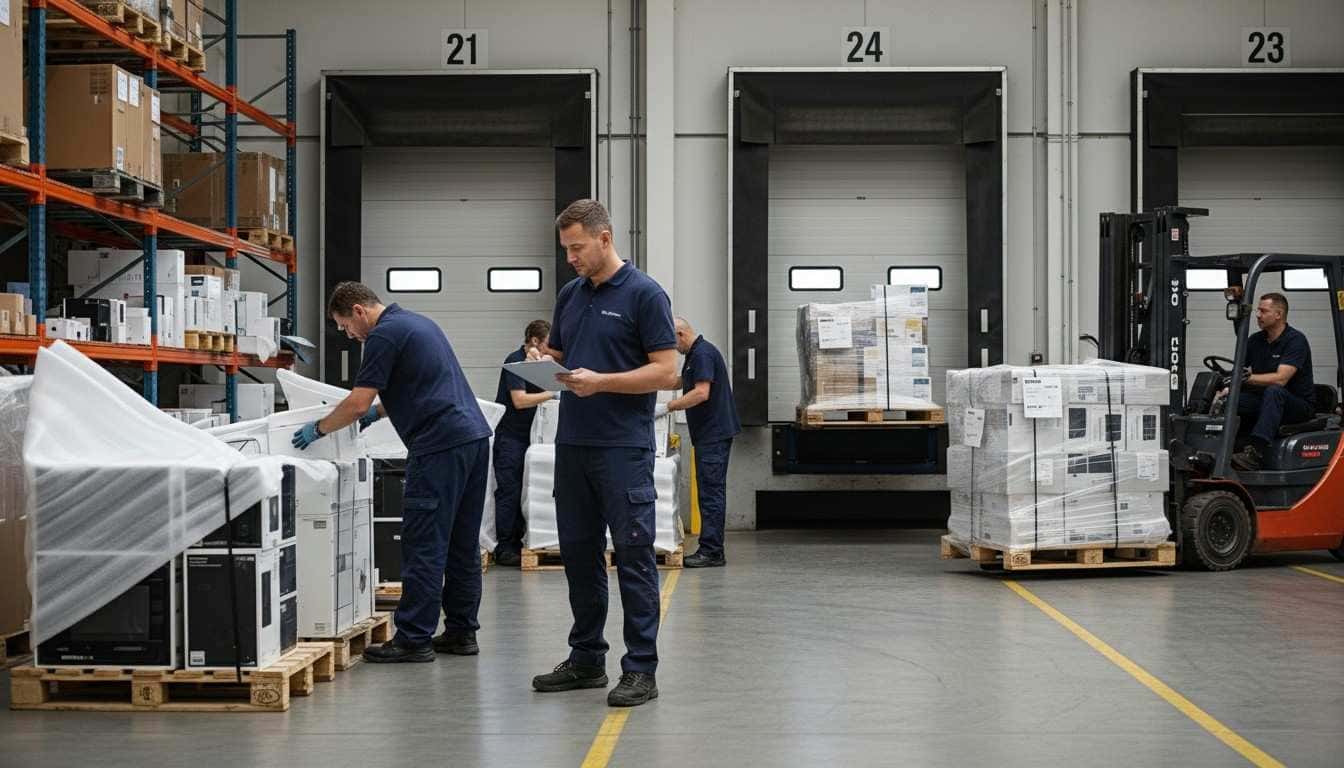
Many overseas facilities will refuse inbound international returns without a valid RMA reference on paperwork.
RMA formats vary: some are simple sequential IDs; others combine order/date/customer codes.
Note: To help you avoid delays, rejected shipments, and compliance issues, especially for cross-border returns, we’ve prepared a practical, operations-ready checklist used by our team for global RMA flows.
Enter your email to receive the PDF download link.