Read More
2026-08-02 5 mins read
1PL, 2PL, 3PL, 4PL, 5PL: The Logistics Tiers Explained and Where the Importer of Record Fits
Read More

Trade Compliance
There’s a moment every operations manager recognizes immediately. The truck pulls back into the yard — not with new revenue, but with yesterday’s shipment. Pallets rewrapped. Boxes opened. Serial numbers that no longer match system records. A customer is waiting for a resolution. Finance is waiting for credit notes. Compliance is waiting for documentation.
Reverse logistics never arrives quietly — it exposes the maturity of your supply chain.
And today, it’s no longer a side process. It’s structural. According to industry research, global product returns reached approximately $1.8 trillion in 2022, reflecting the scale at which reverse flows now shape both ecommerce and B2B supply chains. What used to be considered an operational exception has become a predictable volume stream — one that directly affects margin, customer retention, sustainability targets, and regulatory risk.
The companies that treat reverse logistics as a cost center struggle. The ones that design it as a strategic capability protect profit, strengthen compliance, and turn returns into measurable value recovery.
Reverse logistics is the structured process of moving goods from the point of consumption back to the point of origin or to a recovery center, for the purpose of value recapture, compliance control, or responsible disposal.
Unlike forward logistics, which operates on forecasts and planned demand, reverse logistics operates on variability returns, defects, and warranty claims.
According to the Association for Supply Chain Management (ASCM), it involves controlling the flow of goods back from consumption to recapture value or dispose of them properly. In practical terms, reverse logistics focuses on three priorities:
Protecting margin
Controlling risk
Recovering value
Customer returns (B2C & B2B)
Warranty and Return Merchandise Authorization cycles
Repair and refurbishment
Asset recovery and resale
Recycling and environmental compliance
End-of-life disposal
Forward and reverse logistics may share infrastructure — warehouses, carriers, tracking systems — but they operate under completely different realities.
The key difference is not direction — it is control versus variability.
Dimension | Forward Logistics | Reverse Logistics |
|---|---|---|
Flow Direction | Supplier → Customer | Customer → Manufacturer / Recovery Center |
Primary Objective | Revenue fulfillment |
Note
Forward logistics asks: How fast can we deliver?
Reverse logistics asks: How much value can we recover — and at what risk?
Reverse logistics follows a structured sequence when executed properly.
Serial number validation
Warranty eligibility check
Compliance review
Root cause classification
Expert view:
In cross-border telecom RMAs I’ve managed, delays were most often caused by export documentation gaps ,not warehouse capacity. An effective reverse logistics framework depends on a structured RMA process running underneath every return; the difference between predictable resolution and operational chaos is whether each return moves through a defined workflow or gets handled ad hoc.
When returns management is structured and integrated with reverse logistics processes, it shifts from being a reactive cost center to a measurable performance driver. This transformation reflects the broader benefits of a reverse supply chain strategy across operations, customer experience, and sustainability metrics.
Benefit | Operational Impact | Customer Impact | Sustainability Value |
|---|---|---|---|
Cost Control | Reduced manual handling, fewer processing errors | Faster resolution & refund cycles |
→ Implement automated RMA systems (Sage, SSI-Schaefer).
→ Use barcode tracking + AI validation.
→ Deploy cloud-based WMS and returns portals.
→ Prioritize refurbishment over landfill disposal.
Reverse logistics reduces waste and extends product lifecycles.
It supports circular economy models by:
Mini Example
Structured trade-in programs — such as Apple’s device recovery model — demonstrate how recovery strengthens brand positioning while preserving material value.
Reusing components
Recycling packaging
Remanufacturing products
Reducing landfill dependency
The ASCM Circular Logistics framework highlights the role of reverse flows in sustainable supply chains.
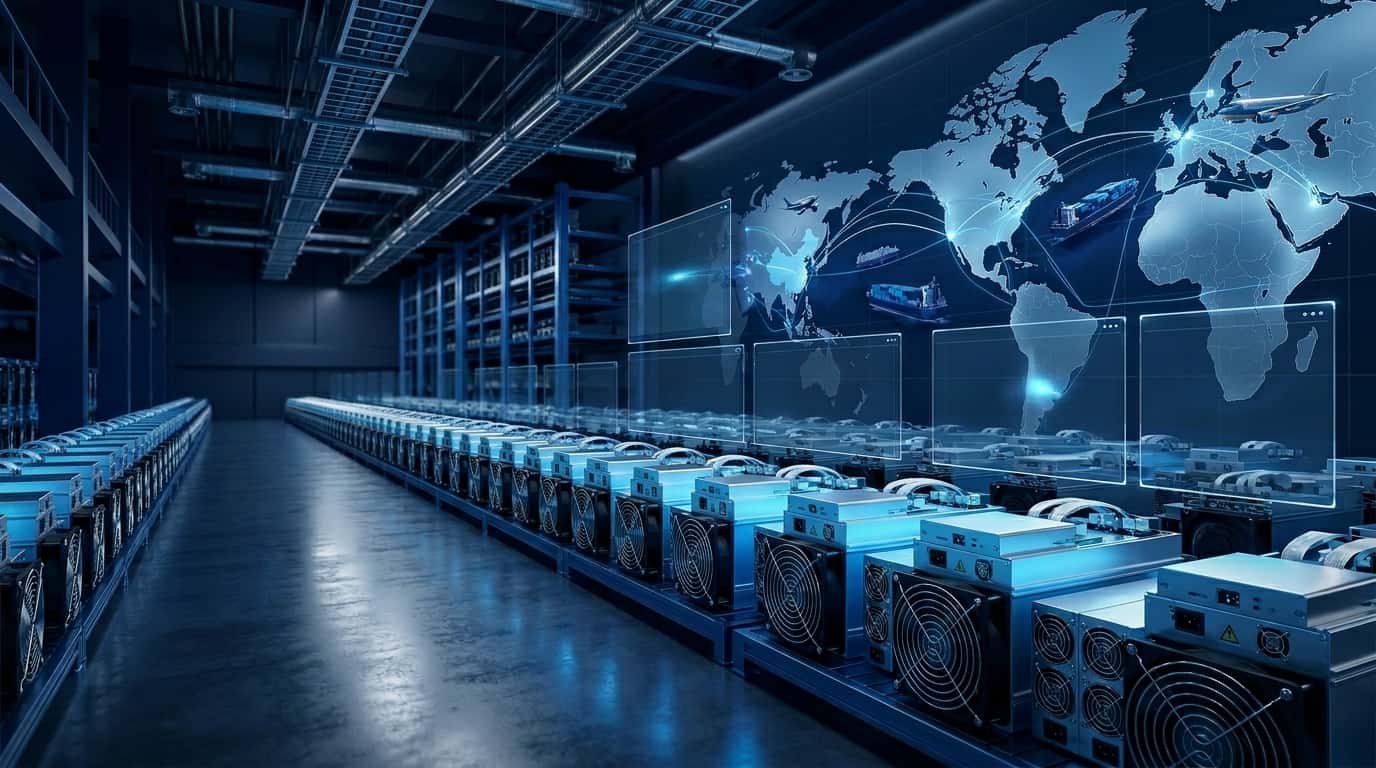
Reverse logistics scales operationally when treated as part of the equipment lifecycle, not an afterthought - see our enterprise hardware lifecycle case study, where the outbound flow of old IT equipment was coordinated with new equipment deployment across three EMEA markets. Technology supply chains face heightened complexity:
FCC certification (US)
WEEE directives (EU)
Data sanitization standards
Encryption export controls
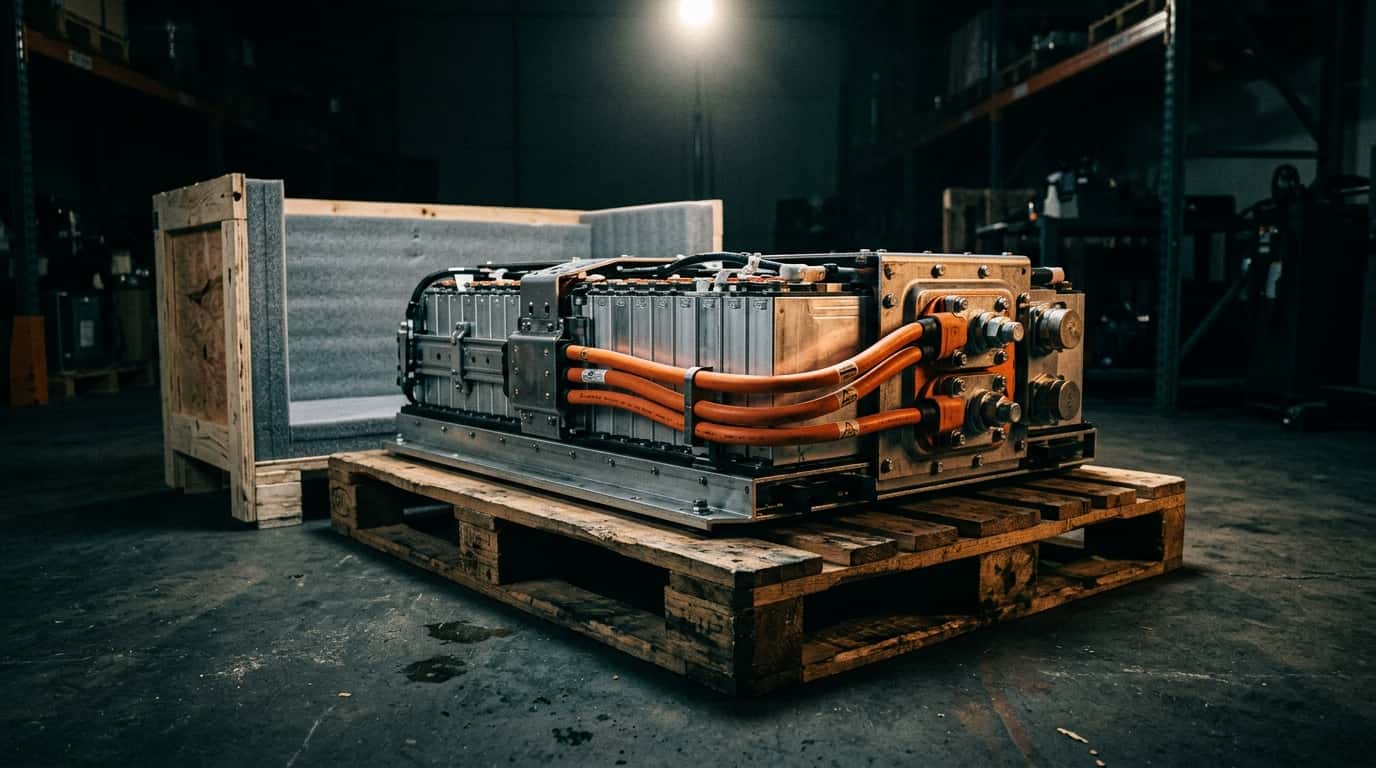
Lithium battery transport regulations, including the specific case of EV battery module returns, where an extracted module loses the vehicle-level exemption and reverts to standalone Class 9 dangerous goods classification
True reverse logistics efficiency is achieved through process discipline, end-to-end transparency, and technology-driven execution, as outlined below:
Automate RMA approvals
Centralize return centers
Use data analytics for defect forecasting
Situation
A networking equipment manufacturer faced 3–4 week RMA delays in Middle East markets due to export permit requirements.
Action
An IOR/EOR partner structured a DDP return solution handling temporary imports and licensing.
Result
40% faster turnaround
Zero customs penalties
18% cost reduction
Reverse logistics is becoming predictive.
Emerging trends include:
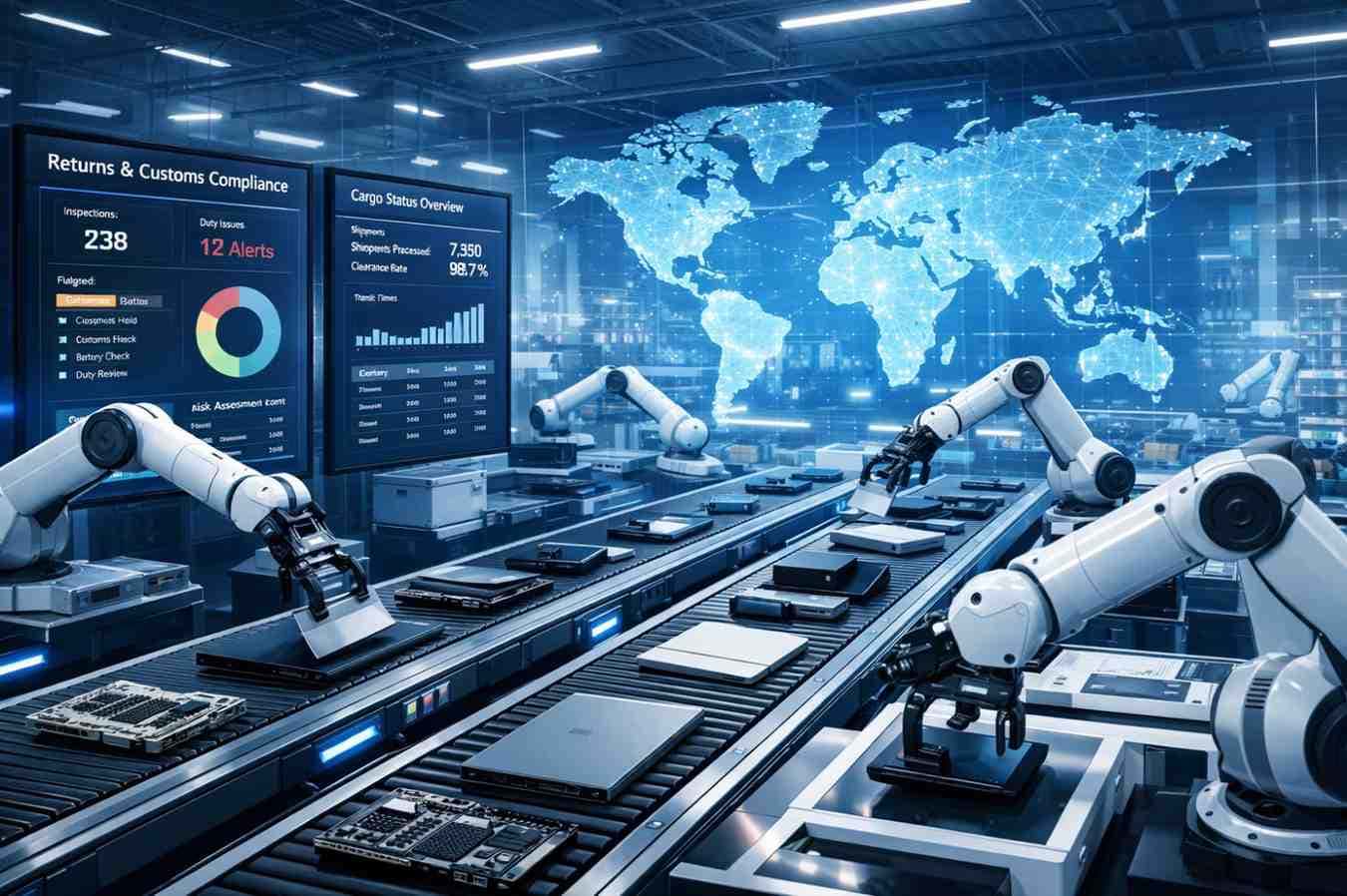
AI-based defect forecasting
Robotic inspection systems
Digital twin simulation for return flow modeling
AI integration into customs processes will further streamline cross-border returns.
Reverse logistics is no longer a back-office cost center; it is a structured profit lever within modern supply chains. When managed strategically, it protects margin, reduces regulatory risk, strengthens customer loyalty, and supports sustainability objectives. Technology enablement and IOR/EOR integration are critical in minimizing cross-border exposure, while continuous data feedback ensures long-term operational improvement.
Optimize Your Reverse Logistics with IOR EOR Exporter of record services
Value recovery & risk mitigation |
Planning Model | Forecast-based | Event-driven |
Demand Pattern | Predictable | Irregular & variable |
Cost Structure | Planned & optimized | Often reactive unless structured |
Margin Impact | Generates revenue | Protects or recovers margin |
Complexity | Operational execution | Diagnostic + compliance heavy |
Performance KP | On-time delivery | Recovery rate & turnaround time |
Carrier coordination
Incoterm review (DDP vs DAP)
Temporary import documentation
IOR/EOR requirements
Products are classified into:
Repairable
Refurbishable
Resalable
Scrap
Firmware resets
Component replacement
Regulatory re-certification (FCC, CE)
Recovered goods may:
Enter secondary markets
Be harvested for parts
Be recycled under WEEE regulations
Secure data wipe certification
Environmental compliance
Analytics feedback to product teams
Lower disposal rates |
Customer Retention | Standardized, predictable return workflow | Increased trust & long-term loyalty | Stronger brand credibility |
Asset Value Recovery | Higher repair & resale yield | Improved stock availability | Extended product lifecycle |
Risk Mitigation | Better documentation & compliance tracking | Transparent communication | Reduced regulatory exposure |
Serial validation
Functional testing
Secure data wipe
Firmware reset
Re-certification
Re-importing defective goods can trigger:
Duplicate duties
VAT reassessment
Licensing requirements
Structured exporter of record for global returns support prevents these exposures and enables DDP return models.
Partner with specialized 3PLs
Implement IoT asset tracking
Track sustainability KPIs
Compliance architecture drove operational efficiency.