
Read More
2026-08-02 5 mins read
1PL, 2PL, 3PL, 4PL, 5PL: The Logistics Tiers Explained and Where the Importer of Record Fits
Read More

Trade Compliance
Logistics
DDP looks simple.
One price. One delivery point. Duties paid. Problem solved.
That’s how it appears on a quotation — clean, straightforward, commercially attractive. But in global trade, simplicity is rarely simple. Behind every DDP commitment sits customs authority, VAT exposure, regulatory filings, and legal import responsibility — all carried by the seller.
So while the buyer experiences convenience, the seller absorbs the compliance burden.
Delivered Duty Paid is not just a delivery promise.
It is a deliberate transfer of compliance control and financial risk.
Delivered Duty Paid (DDP) is an Incoterms® rule under which the seller is responsible for transporting goods to a named destination in the buyer’s country — covering IOR duty management at the destination and EOR export documentation at the origin, including:
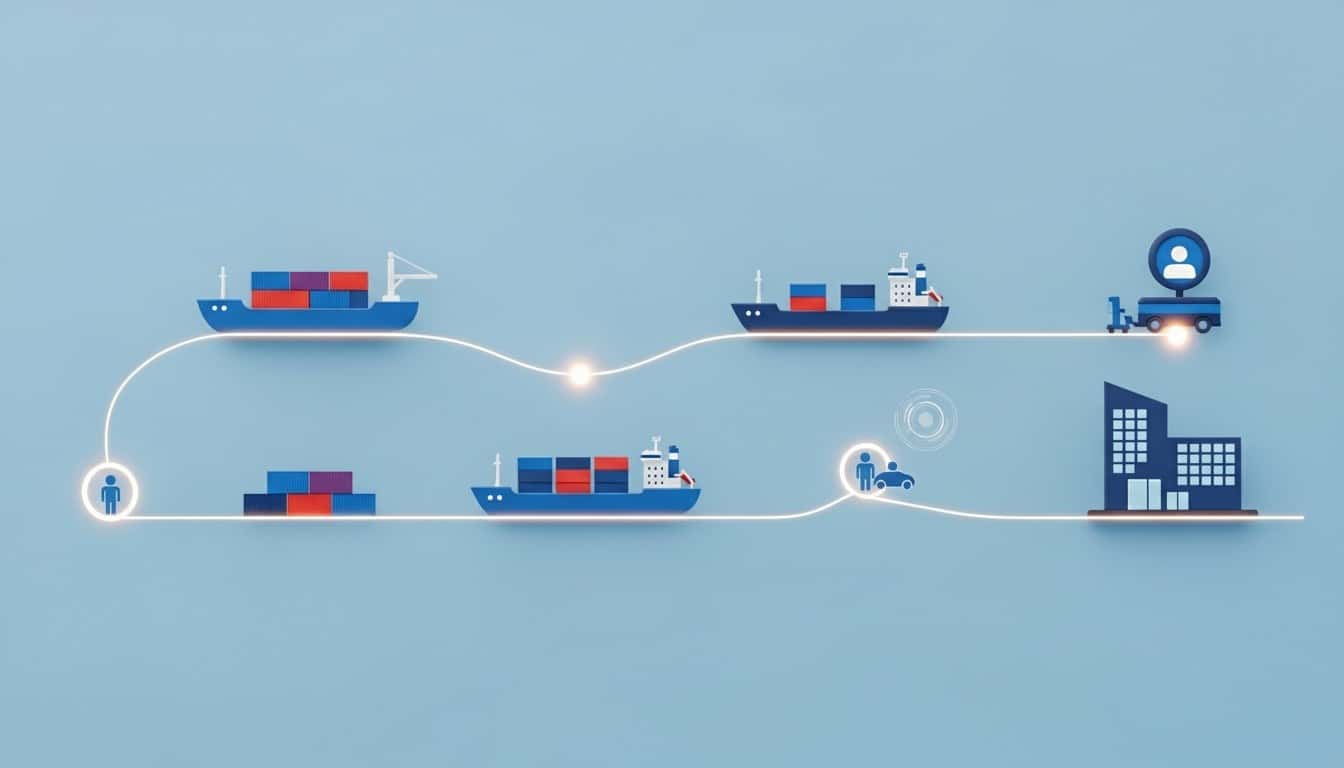
Export clearance
Main international carriage
Import customs clearance
Payment of duties and VAT/GST
Delivery to the named place
Under DDP, the seller assumes full responsibility for the export side of the transaction, which is why working with a qualified exporter of record explained partner, ensures the outbound compliance, licensing, and documentation obligations are handled correctly before goods ever reach the destination border.
Risk transfers when the goods are delivered at the named place, ready for unloading.
In business terms, the seller assumes full landed cost responsibility and full import compliance exposure.
The named place must be clearly defined (specific warehouse, site, or facility). Vague delivery points create cost disputes and risk ambiguity.
The real difference between these terms lies in who controls import clearance and who carries tax exposure.
Criteria |
| DAP | DDU (Legacy) |
|---|---|---|---|
Import clearance handled by | Seller | Buyer | Buyer |
Buyers receive a predictable total cost with no surprise duties or tax charges upon arrival.
DDP improves customer confidence, particularly in high-value B2B trade.
Pre-paid duties and taxes reduce the chance of shipment rejection due to unexpected charges.
DDP concentrates exposure on the seller.
VAT pre-financing, reassessments, inspections, and storage charges can erode margins quickly if not modeled accurately. In jurisdictions requiring local tax registration or importer status, DDP may be legally impractical without a structured import authority.
Common overlooked risks include:
Upfront VAT/GST funding
Incorrect tariff classification
Customs valuation adjustments
Demurrage and storage costs
Tax representation requirements
Regulatory licensing issues
Scenario | DDP Suitable? | Reason |
|---|---|---|
Seller has legal import authority | Yes | Compliance control is secured — structured DDP import Saudi Arabia requires navigating SABER registrations, SASO approvals, and 15% VAT obligations that only a locally authorized IOR can manage correctly. |
Duties & taxes predictable |
DDP pricing is not freight plus duty.
It is a full landed cost and risk calculation. Sellers must account for both visible and contingency costs.
Core components include:
Main carriage (air/ocean/road)
Origin handling
Destination handling
Customs brokerage
Import duties
VAT/GST
Inspection fees
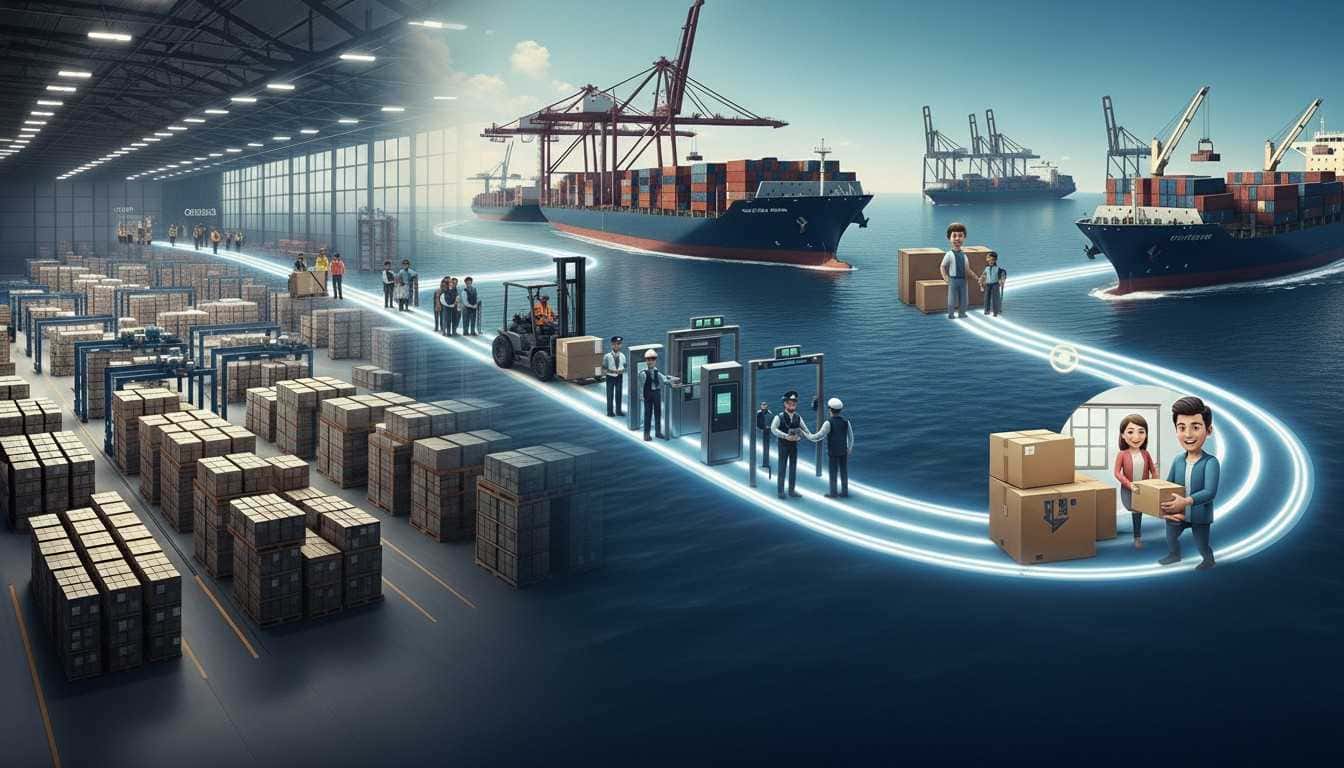
Cargo pickup at origin
Export customs clearance
International transport
Arrival and import customs declaration
Payment of duties and VAT/GST
Inland delivery to a named place
Risk transfers (ready for unloading)
Important: Under standard Incoterms®, unloading is not the seller’s obligation unless specifically agreed.
Delivered Duty Paid simplifies buying—but demands disciplined compliance management from the seller.
DDP works when import authority, tax exposure, and documentation are engineered in advance. It fails when assumed.
For regulated tech and medical deployments, structured DDP execution requires more than freight capability—it requires legal import standing and accurate duty modeling and accurate duty modeling based on a clear duty rate guide for every destination market.

An IOR/EOR structure enables compliant import clearance, upfront tax pricing, and controlled delivery in restricted markets.

Duties & taxes paid by |
Seller |
Buyer |
Buyer |
Seller tax exposure | High | None | None |
Buyer involvement in customs | None | Active | Active |
Regulatory risk location | Seller | Buyer | Buyer |
Best suited for | Structured B2B, controlled deployments | Markets where seller lacks import authority | Outdated commercial reference |
Seller manages freight and customs end-to-end, reducing coordination gaps.
In regulated tech or medical deployments, DDP can protect timeline commitments when structured properly.
Yes |
Accurate landed cost modeling possible |
High-value B2B shipment |
| Buyer expects full-service execution — delivered duty paid Dubai is one of the most common structured DDP scenarios globally, given Jebel Ali's role as the primary re-export hub and the UAE's 5% VAT framework that makes landed cost modeling straightforward. |
Import requires local registration seller does not hold | No | DAP safer |
Buyer has strong local compliance capability | Usually No | Buyer-controlled import more efficient |
Market has bureaucratic clearance process | Case dependent | Requires structured IOR solution |
Regulatory filings
Inland delivery
Storage and demurrage contingencies